
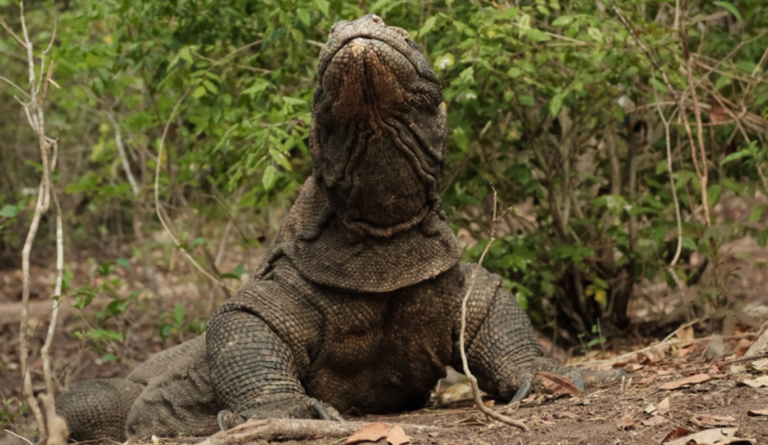
The Komodo dragon is one of the most fascinating creatures on Earth. Found naturally only in a few Indonesian islands, including Komodo Island, Rinca Island, Flores, Gili Motang, and Gili Dasami, this giant lizard has become the main attraction of every Komodo tour.
Most travelers know that Komodo dragons are the world’s largest lizards and can grow up to 3 meters long. However, there are many surprising facts that even frequent visitors to Komodo National Park have never heard before.
Behind their impressive size and prehistoric appearance lies a world of survival strategies, family conflicts, and remarkable adaptations that have helped them survive for millions of years.
Before joining your next Komodo tour, here are three hidden Komodo dragon facts that will completely change the way you see these legendary reptiles.
1. Komodo Dragons Are Cannibals — Even Their Own Babies Are Not Safe
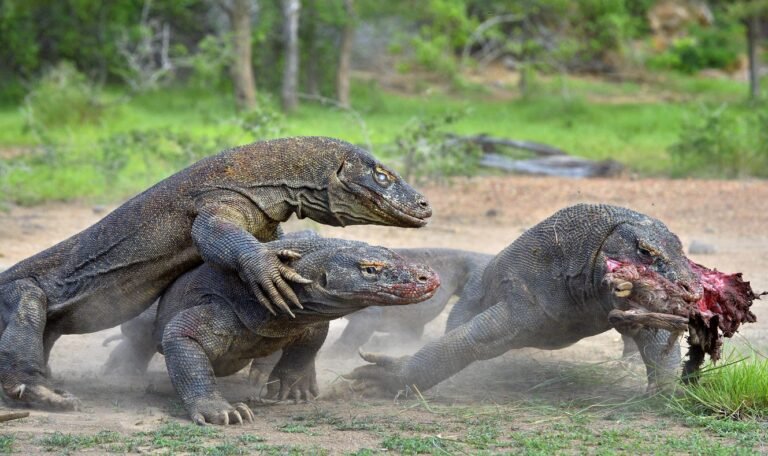
One of the most shocking facts about Komodo dragons is that they are cannibalistic animals.
While many visitors imagine Komodo dragons as fierce hunters targeting deer, wild boars, and buffalo, they are also known to eat members of their own species.
A Dedicated Parent Before Hatching
Female Komodo dragons take egg protection very seriously. After laying around 15–30 eggs, the mother carefully builds a nest, often using abandoned megapode bird nests. She spends months guarding the eggs from predators such as wild pigs, snakes, and other animals that may try to steal them.
For approximately 7–8 months, the mother remains close to the nest, protecting her future offspring with remarkable dedication.At first glance, this behavior seems surprisingly nurturing for such a fierce predator.
The Surprising Reality After Hatching
The story changes dramatically once the eggs hatch. After emerging from the nest, baby Komodo dragons are immediately on their own. There is no parental care, protection, or guidance. Even more surprising, adult Komodo dragons including their own parents may see them as food. Because larger Komodo dragons frequently prey on smaller ones, young dragons must escape quickly after hatching.
Scientists estimate that cannibalism can make up a significant portion of the diet of large Komodo dragons, especially when food sources are limited. This harsh reality is one of the reasons why newly hatched Komodo dragons instinctively climb trees and spend their early years living above the ground.
Why Cannibalism Happens
Cannibalism among Komodo dragons is primarily driven by:
- Competition for food
- Territorial behavior
- Natural population control
- Survival instincts
In the wild, survival comes first, and Komodo dragons are no exception. For travelers visiting Komodo National Park, this fact highlights how brutal and competitive life can be for these ancient reptiles.
2. Young Komodo Dragons Can Climb Trees — A Skill That Saves Their Lives
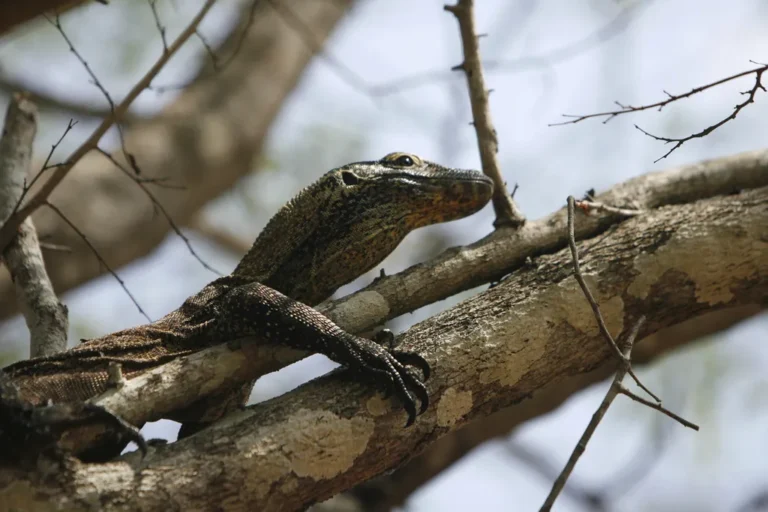
One of the most surprising facts that many travelers don’t know is that young Komodo dragons can climb trees. Most visitors only see large adult Komodo dragons slowly walking across the savanna or resting near ranger stations. Because of their massive size, many people assume that all Komodo dragons spend their entire lives on the ground. However, the story is very different for young dragons.
Why Do Young Komodo Dragons Climb Trees?
The answer is simple: survival.
After hatching, baby Komodo dragons immediately face danger from many predators, including adult Komodo dragons. Since Komodo dragons are known to be cannibalistic, larger dragons will often hunt and eat smaller ones whenever the opportunity arises.
To avoid becoming prey, young Komodo dragons quickly climb trees where large adults cannot easily follow. For the first several years of their lives, they spend much of their time living in trees, safely away from the giant dragons below.
Life in the Trees
Tree-dwelling gives young Komodo dragons several advantages. While living above the ground, they feed on:
- Insects
- Small lizards
- Bird eggs
- Small birds
- Rodents
Their lighter bodies, sharp claws, and agility make them excellent climbers. Unlike adults that can weigh over 70 kilograms, juvenile Komodo dragons are small enough to move quickly among branches.
Only the Strongest Survive
Even with the protection of the trees, survival remains difficult. Scientists estimate that only a small percentage of hatchlings survive long enough to become adults. Many young dragons fall victim to predators, harsh environmental conditions, or larger Komodo dragons before reaching maturity.
As they grow bigger and heavier, they eventually leave the trees and begin living on the ground like adult dragons. By that stage, they are strong enough to defend themselves and compete for territory. The next time you join a Komodo tour, remember that every giant Komodo dragon you see was once a tiny tree-climbing survivor that managed to escape countless dangers on its journey to adulthood.
3. Komodo Dragons Can Detect Prey From Several Kilometers Away
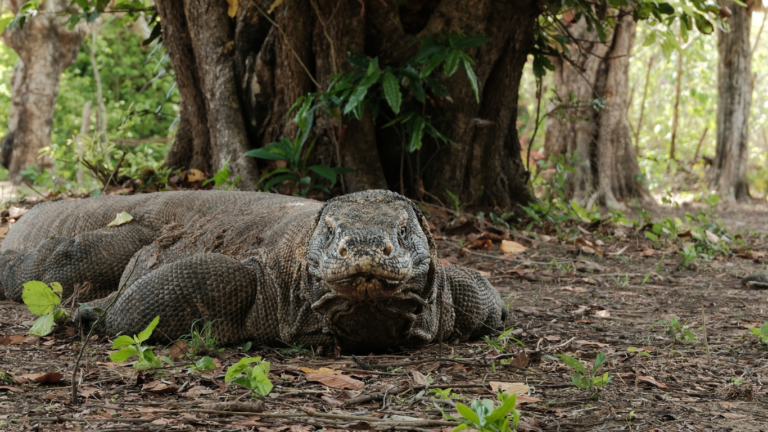
Many travelers assume that Komodo dragons rely mainly on their eyesight to hunt. In reality, one of their most powerful hunting tools is something entirely different: their sense of smell.
The Secret Behind Their Flicking Tongue
If you’ve ever watched a Komodo dragon in person, you’ve probably noticed its constant tongue flicking. This behavior is not random.
Komodo dragons use their forked tongues to collect scent particles from the air. These particles are then analyzed by a special sensory organ called the Jacobson’s organ, located inside the roof of the mouth. This system allows them to gather detailed information about their surroundings.
Detecting Food From Long Distances
Komodo dragons can detect the scent of dead or injured animals from several kilometers away under favorable wind conditions.
This ability helps them locate:
- Deer
- Wild boar
- Water buffalo
- Carcasses
- Other potential food sources
Even if prey is hidden behind vegetation or far outside their visual range, a Komodo dragon can still track it using scent cues.
An Ancient Predator With Modern Efficiency
This incredible sensory system has helped Komodo dragons survive for millions of years.
Rather than relying solely on speed or strength, they combine:
- Powerful smell detection
- Patient ambush techniques
- Sharp teeth
- Strong jaws
- Excellent endurance
These traits make them highly effective predators within the ecosystem of Komodo National Park. For visitors on a Komodo sailing tour, observing a dragon flick its tongue is actually witnessing one of nature’s most sophisticated hunting systems in action.
Top Tips for Observing Komodo Dragons in the Wild
Observing Komodo dragons in their natural habitat is a unique experience that requires some planning and preparation. First and foremost, it is essential to choose the right time for your visit. The best months for spotting Komodo dragons are typically between April and December, as these months align with the dry season, making the creatures more active and easier to find.
Before embarking on a tour, it is crucial to be informed about what to expect. Travelers should know that guided tours are mandatory, as these reptiles are wild animals and can pose risks to unaccompanied visitors. Ensure your guide is experienced and knowledgeable about the Komodo National Park, as they will not only lead you safely but also provide valuable insights about the dragons and their habitat.
Preparation is key when planning your adventure. Wear comfortable, breathable clothing and sturdy footwear, as the terrain can be rugged. Additionally, carrying essentials such as water, sunscreen, and insect repellent will enhance your experience and shield you from the elements. Packing a good camera with a zoom lens is advisable to capture clear photos of the Komodo dragons from a safe distance.
While on the tour, adhere strictly to the safety guidelines provided by your guide. Always maintain a safe distance from the dragons and avoid any sudden movements that might startle them. Remember that these creatures are apex predators, and respect for their space is critical for your safety and their well-being. Being mindful of your surroundings will not only ensure a safer experience but may also lead to more opportunities for observing their natural behaviors.
In conclusion, careful planning and adherence to safety protocols when observing Komodo dragons will enhance your experience while preserving the integrity of their natural behavior. By following these tips, travelers can enjoy a memorable and safe encounter with one of nature’s most fascinating creatures.
Experience Komodo Dragons in Their Natural Habitat with Sail Komodo Tour
Reading about Komodo dragons is fascinating, but nothing compares to seeing them in the wild. Join a Komodo tour with Sail Komodo Tour and explore the breathtaking landscapes of Komodo Island, Rinca Island, Padar Island, Pink Beach, Manta Point, and other iconic destinations within Komodo National Park.
Whether you choose an Open Trip Komodo, a luxury Phinisi sailing experience, or a private charter adventure, you’ll have the opportunity to witness these incredible prehistoric predators in their natural habitat while discovering the hidden stories behind their survival.
Book your Komodo sailing adventure with Sail Komodo Tour today and experience the real world of the legendary Komodo dragon up close.