
Introduction: Discover the Magic of Manta Point in Komodo National Park
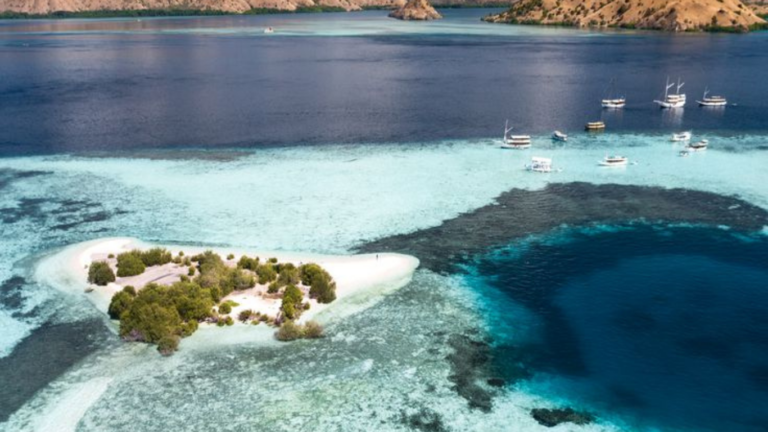
When travelers think about Komodo National Park, the legendary Komodo dragons often come to mind first. However, beneath the turquoise waters of this UNESCO World Heritage Site lies another unforgettable attraction: Manta Point, one of the most famous snorkeling and diving destinations in Indonesia.
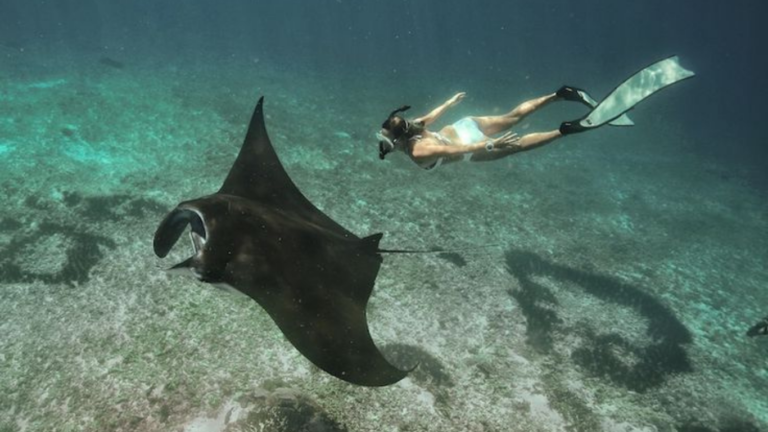
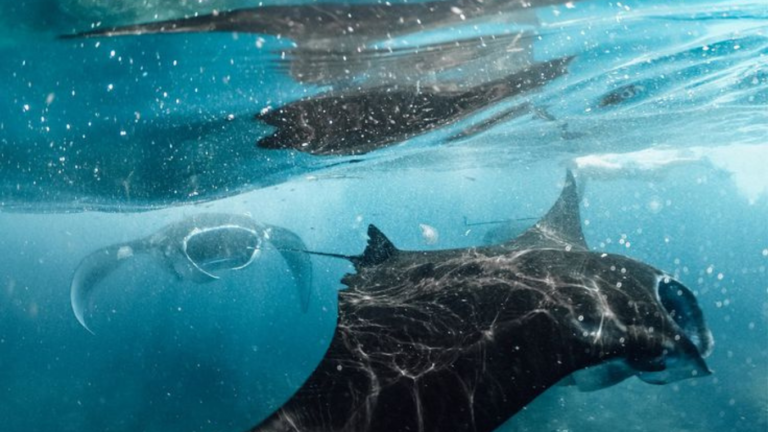
Located within the pristine waters of Komodo National Park, Manta Point is renowned for its frequent sightings of majestic manta rays gliding gracefully through the ocean. These gentle giants, with wingspans that can reach up to seven meters, create an extraordinary underwater spectacle that attracts divers, snorkelers, photographers, and marine life enthusiasts from around the world.
Whether you’re exploring the park on a luxury phinisi cruise, a shared open trip, or a private sailing adventure, visiting Manta Point is often considered the highlight of any Komodo Tour. The combination of crystal-clear waters, thriving coral ecosystems, and the opportunity to swim alongside wild manta rays creates a once-in-a-lifetime experience that few destinations can rival.
The Fascinating Manta Rays of Komodo
Located within the stunning Komodo National Park in Indonesia, Manta Point is renowned as one of the premier diving spots in the world, attracting divers and marine biologists alike. The geographical features of Manta Point include a rocky underwater topography coupled with currents that create an ideal habitat for a plethora of marine life, particularly the majestic manta rays. These gentle giants are often spotted gracefully gliding through the warm, clear waters, making it an unforgettable experience for both novice and experienced divers.
The best times to visit Manta Point are between April and November, when the ocean conditions are most favorable. During this period, the visibility reaches up to 30 meters, enhancing the chances of encountering not only manta rays but also vibrant coral reefs and diverse fish species. The monsoon season from December to March can bring rough waters and reduce visibility, making it less ideal for diving enthusiasts.
Manta Point is distinguished by its unique underwater ecosystem that supports a healthy population of manta rays. The site serves as a cleaning station; mantas can be seen circling a specific area where smaller fish clean their bodies of parasites. This fascinating behavior adds to the allure of Manta Point, providing divers with the chance to watch these magnificent creatures up close. Furthermore, the abundance of other marine life makes it a hotspot for underwater photography and exploration.
In addition to the exceptional diving opportunities, Manta Point is also part of a protected marine area, ensuring that the rich biodiversity is preserved. Sustainable tourism practices are promoted within the region, making it an ideal destination for eco-conscious travelers. By visiting Manta Point, adventurers not only have the opportunity to interact with breathtaking marine life but also contribute to conservation efforts aimed at safeguarding this precious underwater haven.
Manta rays are among the most captivating marine animals on Earth. Despite their enormous size, they are completely harmless to humans.
Characteristics of Manta Rays
Some fascinating facts about manta rays include:
- Wingspan up to 7 meters
- Weight exceeding 1,300 kilograms
- Lifespan of over 40 years
- Highly intelligent behavior
- Unique spot patterns for identification
- Filter feeders that consume plankton
Unlike stingrays, manta rays do not possess dangerous stingers. Their peaceful nature allows humans to safely observe them in the wild while maintaining respectful distances.
Exploring Manta Point
Located within the stunning Komodo National Park in Indonesia, Manta Point is renowned as one of the premier diving spots in the world, attracting divers and marine biologists alike. The geographical features of Manta Point include a rocky underwater topography coupled with currents that create an ideal habitat for a plethora of marine life, particularly the majestic manta rays. These gentle giants are often spotted gracefully gliding through the warm, clear waters, making it an unforgettable experience for both novice and experienced divers.
The best times to visit Manta Point are between April and November, when the ocean conditions are most favorable. During this period, the visibility reaches up to 30 meters, enhancing the chances of encountering not only manta rays but also vibrant coral reefs and diverse fish species. The monsoon season from December to March can bring rough waters and reduce visibility, making it less ideal for diving enthusiasts.
Manta Point is distinguished by its unique underwater ecosystem that supports a healthy population of manta rays. The site serves as a cleaning station; mantas can be seen circling a specific area where smaller fish clean their bodies of parasites. This fascinating behavior adds to the allure of Manta Point, providing divers with the chance to watch these magnificent creatures up close. Furthermore, the abundance of other marine life makes it a hotspot for underwater photography and exploration.
In addition to the exceptional diving opportunities, Manta Point is also part of a protected marine area, ensuring that the rich biodiversity is preserved. Sustainable tourism practices are promoted within the region, making it an ideal destination for eco-conscious travelers. By visiting Manta Point, adventurers not only have the opportunity to interact with breathtaking marine life but also contribute to conservation efforts aimed at safeguarding this precious underwater haven.
Manta Point and the Role of Plankton
The secret behind Manta Point’s popularity lies in its rich plankton concentration.
Ocean currents flowing through Komodo National Park transport nutrient-rich water that supports enormous plankton blooms. Since plankton forms the primary diet of manta rays, these creatures are naturally drawn to the area.
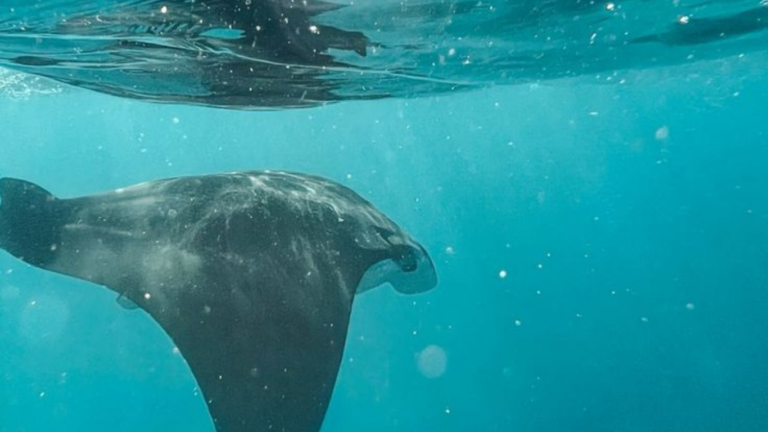
Visitors often witness manta rays performing graceful loops and barrel rolls while feeding. This behavior is both fascinating and mesmerizing, providing photographers with incredible opportunities to capture unique underwater moments.
Snorkeling at Manta Point
For many travelers, snorkeling at Manta Point becomes the most memorable activity of their Komodo adventure.
What to Expect
Upon arrival, your boat will anchor near the snorkeling area. Guides typically assess current conditions before entering the water.
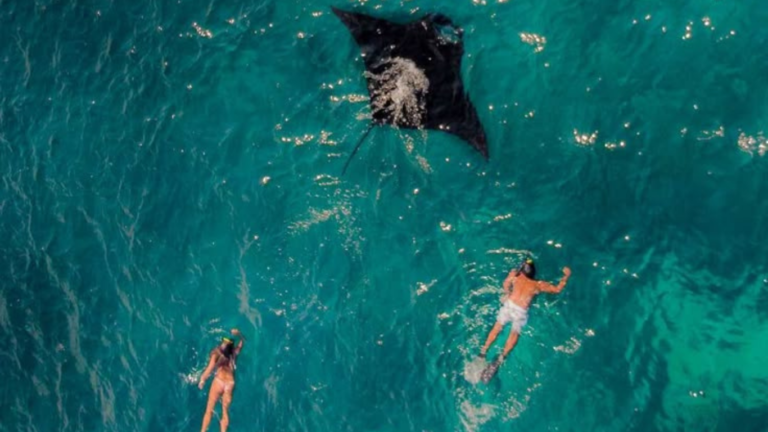
Once in the ocean, snorkelers often find themselves floating above manta rays as they glide effortlessly beneath the surface.
The experience can feel surreal:
- Crystal-clear water
- Massive manta rays swimming below
- Sunlight piercing through the ocean surface
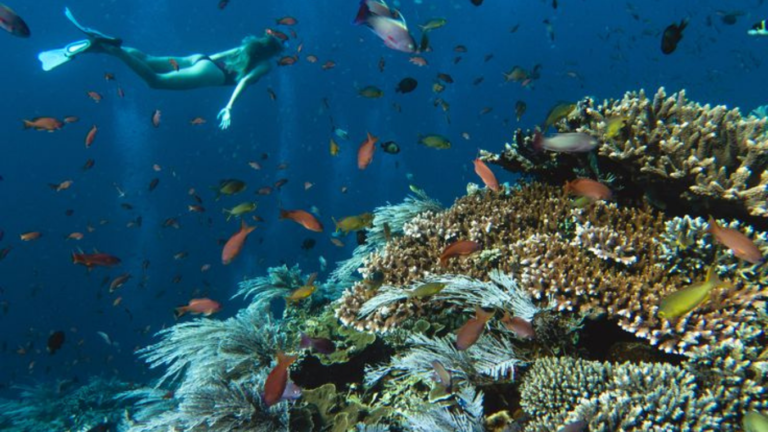
- Vibrant marine ecosystems surrounding you
Even experienced travelers frequently describe the experience as magical.
Is It Safe?
Yes. Manta rays are gentle and non-aggressive animals.
Professional tour operators provide:
- Safety briefings
- Life jackets
- Experienced guides
- Snorkeling equipment
- Current assessments
Following guide instructions ensures a safe and enjoyable experience.
Diving at Manta Point
For certified divers, Manta Point offers an even more immersive encounter.
Divers can observe manta rays from various angles while exploring deeper sections of the reef.
Highlights include:
- Large schools of fish
- Cleaning stations
- Coral gardens
- Strong marine biodiversity
- Potential sightings of reef sharks
Depending on conditions, divers may encounter several manta rays during a single dive.
The Coral Reefs Around Manta Point
The marine ecosystem surrounding Manta Point extends beyond manta rays.
Healthy coral formations provide habitat for countless species.
Common sightings include:
Clownfish
Popularized by the movie Finding Nemo, clownfish can often be spotted among sea anemones.
Damselfish
These colorful fish add vibrant movement to the reef environment.
Butterflyfish
Known for their striking patterns and bright colors.
Triggerfish
Frequently seen around coral formations.
Sea Turtles
Green turtles and hawksbill turtles occasionally visit nearby reefs.
Photography Opportunities at Manta Point
For photographers, Manta Point is a dream destination.
Underwater Photography
Manta rays provide spectacular subjects thanks to their size and graceful movements.
Popular shots include:
- Manta rays gliding beneath snorkelers
- Feeding behavior
- Silhouettes against sunlight
- Close-up interactions
Drone Photography
Nearby islands and sandbanks provide exceptional aerial photography opportunities.
The vibrant shades of blue surrounding Manta Point create stunning visual compositions.
Responsible Wildlife Encounters
To help protect manta rays, visitors should follow several important guidelines:
Do:
- Maintain respectful distances
- Follow guide instructions
- Move calmly in the water
- Use reef-safe sunscreen
- Respect marine life
Don’t:
- Touch manta rays
- Chase animals
- Block their swimming path
- Feed wildlife
- Stand on coral reefs
Responsible tourism helps preserve these incredible encounters for future generations.
Safety and Conservation Practices
Engaging with manta rays at Manta Point can be an awe-inspiring experience; however, it comes with responsibilities to protect both the animals and oneself. For divers and snorkelers alike, adhering to essential safety guidelines is crucial. First and foremost, it is imperative to maintain a respectful distance from the manta rays, ideally keeping at least three meters away. This aids in minimizing stress for the creatures while ensuring the safety of the individuals in the water. Moreover, divers should never chase or attempt to touch the rays, as these actions can lead to unpredictable behavior and potential harm.
Snorkelers must also be cautious about their gear. Flippers should be used with care to avoid accidental contact with the ocean floor or rays themselves, which could lead to environmental damage or disruption of the manta’s natural behavior. In addition, snorkelers are strongly advised to avoid wearing sunscreens that can harm marine life. Opting for reef-safe alternatives can significantly mitigate this risk.
Beyond personal safety measures, conservation practices are of utmost importance in the preservation of the manta ray population. Many organizations and local authorities have implemented various initiatives aimed at safeguarding their habitats. For example, designated marine protected areas restrict fishing and pollution, thus creating a haven for manta rays to thrive. Additionally, educational programs aimed at raising awareness among tourists and locals alike regarding the significance of manta rays in marine ecosystems help cultivate a culture of respect and protection.
Ultimately, when swimming with manta rays at Manta Point, it’s essential that all participants adhere to safety guidelines while supporting conservation efforts. By doing so, we can ensure that this magnificent species continues to grace our oceans for generations to come.
Manta Point as Part of a Komodo Sailing Tour
Most visitors experience Manta Point as part of a multi-day sailing itinerary through Komodo National Park.
Popular routes often include:
- Padar Island
- Pink Beach
- Komodo Island
- Rinca Island
- Taka Makassar
- Kanawa Island
- Kelor Island
- Sebayur Island
- Manta Point
These destinations combine wildlife encounters, snorkeling adventures, island trekking, and stunning landscapes into one unforgettable journey.
Best Time to Visit Manta Point
One of the advantages of Manta Point is that manta rays can be seen throughout much of the year.
Dry Season (April–November)
The dry season is generally considered the best period for visiting Komodo National Park.
Benefits include:
- Calm seas
- Excellent visibility
- Pleasant weather
- Comfortable sailing conditions
Peak Manta Activity
While sightings occur year-round, manta activity often remains strong due to the area’s constant plankton supply.
Tour operators continuously monitor conditions to maximize encounter opportunities.
Tour Options and Packages
Swimming with manta rays at Manta Point offers a captivating experience, and numerous tour operators provide tailored packages to suit various preferences. The tours generally cater to both novice snorkelers and seasoned divers, ensuring that all adventure seekers can enjoy this mesmerizing encounter with marine life.
Popular tour options include half-day trips, full-day excursions, and overnight liveaboard experiences. Half-day trips typically start early in the morning and include snorkeling gear and guidance from experienced instructors. Prices for these packages usually range from $60 to $100 per person, depending on the inclusions and the reputation of the tour operator.
Full-day excursions tend to offer a more comprehensive experience, often combining manta ray exploration with visits to other nearby attractions like coral gardens or secluded beaches. These tours can range from $120 to $200, including meals, refreshments, and essential equipment. Many operators focus on providing a quality experience, ensuring that both beginners and advanced divers receive proper instruction and safety briefings.
For those looking for a more immersive adventure, overnight liveaboard options are available. These packages typically include accommodations on the boat, meals, diving gear, and the chance to explore multiple dive sites, allowing participants to maximize their time in the water. Prices for liveaboards can vary significantly, often starting around $300 per person and going up, depending on luxury offerings and duration of the trip.
In summary, there are a variety of tour options and packages available for swimming with manta rays at Manta Point, offering unforgettable experiences whether you are a beginner or an experienced diver. Choosing the right operator and package can significantly enhance your manta ray experience, making it a highlight of your journey to Komodo.
How to Visit Manta Point
There are several ways to include Manta Point in your itinerary:
Open Trip Komodo
Perfect for solo travelers and budget-conscious adventurers.
Benefits include:
- Affordable pricing
- Social atmosphere
- Shared experiences
- Multiple destinations
Private Phinisi Charter
Ideal for:
- Families
- Honeymooners
- Groups of friends
- Luxury travelers
Advantages include:
- Flexible schedules
- Personalized service
- Exclusive experiences
- Premium accommodations
One-Day Komodo Tour
Suitable for travelers with limited time, though multi-day trips provide a more comprehensive experience.
Tour Options and Packages
Swimming with manta rays at Manta Point offers a captivating experience, and numerous tour operators provide tailored packages to suit various preferences. The tours generally cater to both novice snorkelers and seasoned divers, ensuring that all adventure seekers can enjoy this mesmerizing encounter with marine life.
Popular tour options include half-day trips, full-day excursions, and overnight liveaboard experiences. Half-day trips typically start early in the morning and include snorkeling gear and guidance from experienced instructors. Prices for these packages usually range from $60 to $100 per person, depending on the inclusions and the reputation of the tour operator.
Full-day excursions tend to offer a more comprehensive experience, often combining manta ray exploration with visits to other nearby attractions like coral gardens or secluded beaches. These tours can range from $120 to $200, including meals, refreshments, and essential equipment. Many operators focus on providing a quality experience, ensuring that both beginners and advanced divers receive proper instruction and safety briefings.
For those looking for a more immersive adventure, overnight liveaboard options are available. These packages typically include accommodations on the boat, meals, diving gear, and the chance to explore multiple dive sites, allowing participants to maximize their time in the water. Prices for liveaboards can vary significantly, often starting around $300 per person and going up, depending on luxury offerings and duration of the trip.
In summary, there are a variety of tour options and packages available for swimming with manta rays at Manta Point, offering unforgettable experiences whether you are a beginner or an experienced diver. Choosing the right operator and package can significantly enhance your manta ray experience, making it a highlight of your journey to Komodo.
Conclusion: The Magic of Manta Rays
Swimming with manta rays at Manta Point is undoubtedly one of the most exhilarating experiences for travelers exploring the pristine waters of Komodo National Park. The graceful movements of these majestic creatures, coupled with the stunning backdrop of coral reefs and marine biodiversity, create a unique encounter that leaves a lasting impression. Throughout this blog post, we have delved into the various aspects of this adventure, highlighting the importance of preservation and respectful interaction with these magnificent rays.
The opportunity to witness manta rays gliding effortlessly through the water is not only a visual delight but also a chance to engage in meaningful wildlife observation. It fosters appreciation for marine ecosystems and the need for sustainable practices to protect them. Tourists are encouraged to choose responsible tour operators who prioritize eco-friendly practices and contribute to local conservation efforts. By doing so, visitors can enjoy their swim and play a part in safeguarding the habitats of these gentle giants.
For those who have yet to include swimming with manta rays in their travel itinerary, it is an experience worth considering. This adventure offers not just thrills, but also a profound connection to the natural world. Notions of beauty, wonder, and tranquility resonate deeply during such encounters, etched in memories long after the journey concludes. Whether you are an avid diver or merely seeking a unique experience on your vacation, swimming alongside manta rays should be at the top of your list.
In conclusion, swimming with manta rays at Manta Point stands as a highlight of any Komodo tour, promoting adventure while emphasizing the importance of ecological awareness. Embrace this magical experience, and allow it to inspire your future explorations.
Sail Into the Heart of Komodo's Underwater Paradise with Sail Komodo Tour
Ready to experience the magic of Manta Point, swim alongside majestic manta rays, trek with Komodo dragons, and explore the breathtaking islands of Komodo National Park?
Join Sail Komodo Tour and discover the ultimate adventure through our carefully curated Open Trip Komodo, Private Phinisi Charter, and Komodo Sailing Packages. From the crystal-clear waters of Manta Point to the panoramic views of Padar Island, every moment is designed to create memories you’ll never forget.
Book your Komodo Tour today and let Sail Komodo Tour take you beyond the ordinary—where dragons roam, manta rays glide, and every sunrise begins a new adventure at sea.