
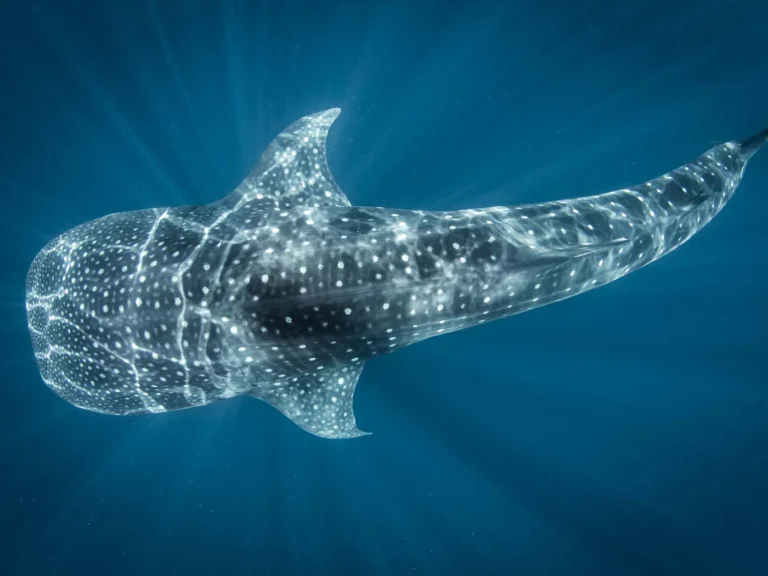
Whale sharks are among the most fascinating creatures in the ocean. As the largest fish species on Earth, these gentle giants have captured the attention of marine scientists, divers, photographers, and travelers from around the world. Despite their enormous size, whale sharks are harmless filter feeders that play an important role in maintaining healthy marine ecosystems.
Indonesia is one of the best destinations to encounter whale sharks in their natural habitat, and one of the most remarkable locations is Saleh Bay (Teluk Saleh) in Sumbawa. For travelers seeking a complete adventure, many 4 Days 3 Nights Komodo trips from Lombok now include whale shark encounters in Saleh Bay as one of their most memorable highlights.
In this guide, you’ll discover everything you need to know about whale sharks, including their physical characteristics, habitat, behavior, conservation status, and where to see them in Indonesia.
What Are Whale Sharks?
The whale shark (Rhincodon typus) is the largest fish species in the world. Although their name contains the word “whale,” they are actually fish, not mammals.
Whale sharks belong to the shark family but differ greatly from the predatory sharks often portrayed in popular media. They are gentle giants that feed primarily on plankton, small fish, fish eggs, and microscopic organisms.
Quick Facts About Whale Sharks
- Scientific Name: Rhincodon typus
- Average Length: 8–12 meters
- Maximum Length: Up to 18–20 meters
- Weight: Up to 20 tons or more
- Lifespan: Estimated 70–100 years
- Diet: Plankton, krill, fish eggs, and small marine organisms
Their massive size and distinctive white-spotted pattern make them one of the most recognizable marine species on the planet.
Unique Physical Characteristics of Whale Sharks
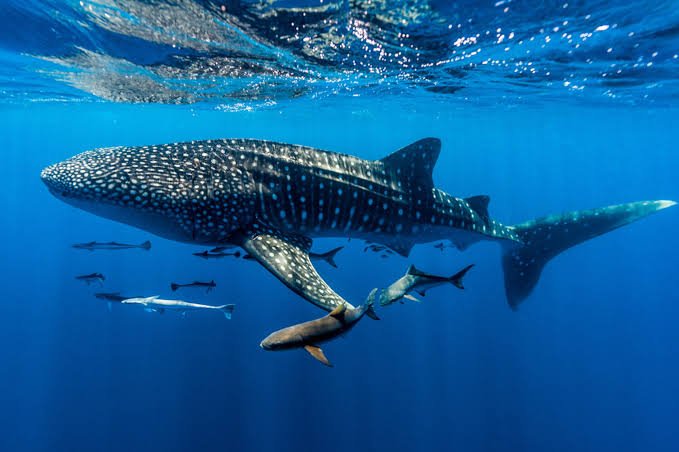
One of the most striking features of whale sharks is their beautiful pattern of white spots and stripes covering their dark gray or blue gray bodies. Interestingly, no two whale sharks have the same pattern. Marine researchers often use these unique markings as natural fingerprints to identify individual sharks.
Massive Yet Gentle
A whale shark’s mouth can be more than 1.5 meters wide, containing hundreds of tiny teeth. However, these teeth are not used for hunting large prey.Instead, whale sharks feed through a process called filter feeding, where they swim with their mouths open and filter food particles from the water.
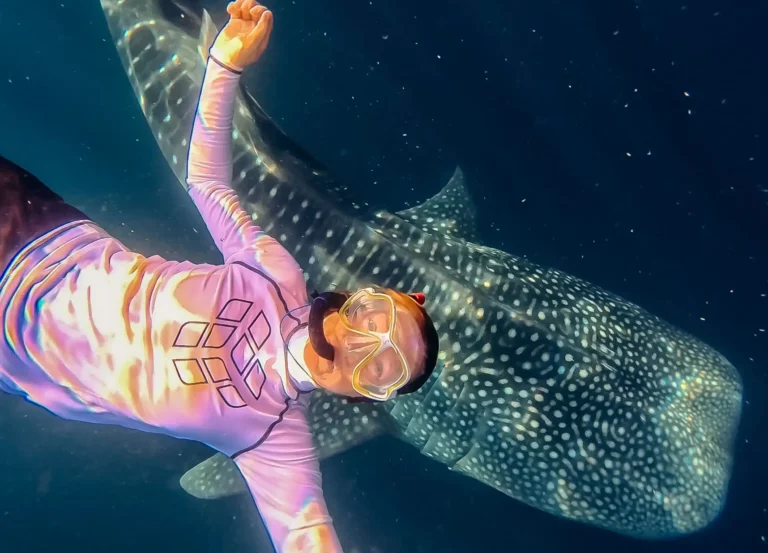
Their large size may appear intimidating, but whale sharks are considered harmless to humans and are often curious around snorkelers and divers.
Where Do Whale Sharks Live?
Whale sharks inhabit tropical and warm temperate oceans around the world. They can be found in:
- Indonesia
- Philippines
- Australia
- Mexico
- Maldives
- Tanzania
- Seychelles
- Mozambique
- Belize
These migratory animals travel thousands of kilometers each year in search of food-rich waters.
Why Indonesia Is a Whale Shark Hotspot?
Indonesia sits within the Coral Triangle, one of the most biodiverse marine regions on Earth. The country’s nutrient-rich waters provide ideal feeding grounds for whale sharks throughout the year.
Several whale shark destinations in Indonesia include:
- Saleh Bay, Sumbawa
- Cenderawasih Bay, Papua
- Gorontalo, Sulawesi
- Talisayan, East Kalimantan
Among these destinations, Saleh Bay has rapidly become one of the most accessible and exciting places to encounter whale sharks in their natural environment.
Whale Sharks in Saleh Bay, Sumbawa
Why Saleh Bay Is Special
Located on the northern side of Sumbawa Island, Saleh Bay (Teluk Saleh) is one of Indonesia’s hidden marine treasures. The bay is known for its calm waters, rich marine biodiversity, and regular whale shark sightings.
Unlike many whale shark destinations that require expensive flights or specialized expeditions, Saleh Bay can be conveniently visited as part of a Lombok to Komodo sailing adventure.
A Natural Feeding Ground
Whale sharks are frequently attracted to traditional fishing platforms known locally as bagan. These floating fishing structures attract small fish and plankton, creating feeding opportunities for whale sharks. Visitors often witness whale sharks gracefully swimming beneath the platforms while feeding naturally.
This creates extraordinary opportunities for:
- Snorkeling
- Underwater photography
- Wildlife observation
- Responsible marine tourism
The Best Time to See Whale Sharks in Saleh Bay
Whale shark sightings in Saleh Bay can occur throughout the year, but conditions are generally best during the dry season.
Ideal Months
- April to October
- Calm sea conditions
- Better visibility
- More comfortable weather for sailing trips
Early morning visits often provide the highest chance of encountering whale sharks near the fishing platforms.
Whale Shark Behavior
Despite their enormous size, whale sharks display surprisingly calm and peaceful behavior.
Filter Feeding
Whale sharks primarily feed by filtering enormous volumes of seawater.
They consume:
- Plankton
- Krill
- Small fish
- Fish eggs
- Tiny crustaceans
An adult whale shark can filter thousands of liters of water every hour while feeding.
Migration Patterns
Scientists believe whale sharks undertake long-distance migrations between feeding and breeding grounds. Satellite tracking studies have shown some individuals traveling across entire ocean basins. However, many questions about their migration routes and breeding behavior remain unanswered.
Are Whale Sharks Dangerous?
One of the most common misconceptions about whale sharks is that they pose a threat to humans. The answer is simple:
No. Whale sharks are not dangerous to people.
They are gentle filter feeders with no interest in hunting humans. Thousands of snorkelers safely swim near whale sharks every year under proper guidelines.
Nevertheless, visitors should always follow responsible wildlife interaction practices:
- Do not touch whale sharks.
- Maintain a respectful distance.
- Avoid blocking their path.
- Do not ride or chase them.
- Follow instructions from guides.
Responsible tourism helps protect these endangered animals while ensuring positive encounters for visitors.
The Importance of Whale Shark Conservation
Although whale sharks are globally admired, they face numerous threats.
Why Are Whale Sharks Endangered?
The International Union for Conservation of Nature (IUCN) classifies whale sharks as Endangered.
Major threats include:
1. Fishing Activities
Whale sharks are vulnerable to accidental capture in fishing gear.
2. Vessel Strikes
Their slow-moving nature makes them susceptible to collisions with boats.
3. Plastic Pollution
Marine debris and plastics threaten whale shark health and habitat quality.
4. Climate Change
Changing ocean temperatures can affect plankton availability and migration patterns.
5. Unregulated Tourism
Poor tourism practices can cause stress and behavioral changes in whale sharks.
How Responsible Tourism Helps
Sustainable tourism creates economic incentives for local communities to protect marine wildlife. In places like Saleh Bay, whale shark tourism supports:
- Local boat operators
- Fishing communities
- Marine conservation initiatives
- Environmental education
By choosing responsible tour operators, travelers contribute directly to the protection of whale sharks and their habitats.
Experiencing Whale Sharks on a 4 Days 3 Nights Komodo Trip from Lombok
One of the most exciting ways to encounter whale sharks is through a 4 Days 3 Nights Komodo Trip from Lombok.
This adventure combines two of Indonesia’s most iconic wildlife experiences:
- Swimming with whale sharks in Saleh Bay
- Visiting Komodo National Park
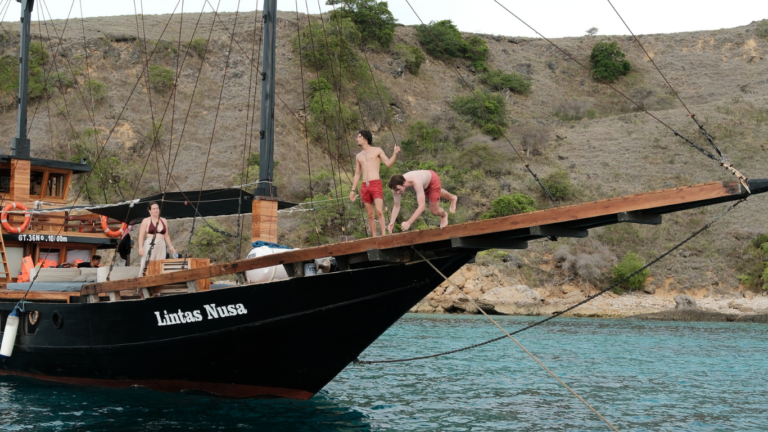
Rather than taking separate trips, travelers can experience both destinations during a single sailing journey aboard a traditional Indonesian boat.
Whale Sharks as a Major Trip Highlight
For many travelers, the whale shark encounter becomes the most unforgettable moment of the entire voyage.
The itinerary typically includes:
Day 1
- Departure from Lombok
- Island hopping to Kenawa Island
- Scenic sailing across the Indonesian archipelago
Day 2
- Early morning arrival in Saleh Bay
- Whale shark snorkeling experience
- Snorkeling at Tambora Sea
- Continued sailing toward Komodo National Park
Day 3
- Komodo Island
- Pink Beach
- Stunning sunset viewpoints at Padar Island
Day 4
- Manjarite Island
- Kelor Island
- Arrival in Labuan Bajo
This route allows travelers to experience both world-famous marine biodiversity and the legendary Komodo dragons in one incredible expedition.
Why Travelers Love the Lombok to Komodo Route
Compared to standard Komodo tours, the Lombok to Komodo 4D3N trip offers:
More Destinations
Travelers visit multiple islands across Lombok, Sumbawa, and Komodo.
Whale Shark Encounters
Saleh Bay is a unique addition that is not included in most standard Komodo day trips.
Authentic Sailing Experience
Guests spend several days living aboard a traditional Indonesian boat while exploring remote islands.
Incredible Photography Opportunities
The journey offers opportunities to photograph:
- Whale sharks
- Komodo dragons
- Pink Beach
- Padar Island
- Stunning sunsets
- Tropical islands
- Marine life
Tips for Swimming with Whale Sharks
To maximize your experience:
Bring Proper Gear
- Snorkeling equipment
- Reef-safe sunscreen
- Waterproof camera
- Dry bag
- Lightweight clothing
Follow Wildlife Guidelines
Always prioritize the well-being of the animals.
Be Patient
Wildlife encounters are natural experiences, and sightings can vary depending on conditions.
Choose Responsible Operators
Support tours that prioritize sustainability and marine conservation.
Final Thoughts
Whale sharks are among the ocean’s most extraordinary creatures. Their immense size, gentle nature, and mysterious migrations continue to inspire scientists and travelers alike.
For those visiting Indonesia, Saleh Bay in Sumbawa offers one of the best opportunities to encounter whale sharks in the wild. The experience becomes even more unforgettable when combined with a 4 Days 3 Nights Komodo Trip from Lombok, where whale shark snorkeling, island hopping, and Komodo dragon adventures come together in a single journey.
Whether you’re a marine life enthusiast, photographer, diver, or first-time traveler to Indonesia, swimming alongside these gentle giants is an experience that will stay with you forever.
Join Sail Komodo Tour’s 4 Days 3 Nights Lombok to Komodo Trip and discover the incredible beauty of Saleh Bay’s whale sharks, breathtaking island landscapes, pristine beaches, vibrant coral reefs, and the world famous Komodo National Park.