
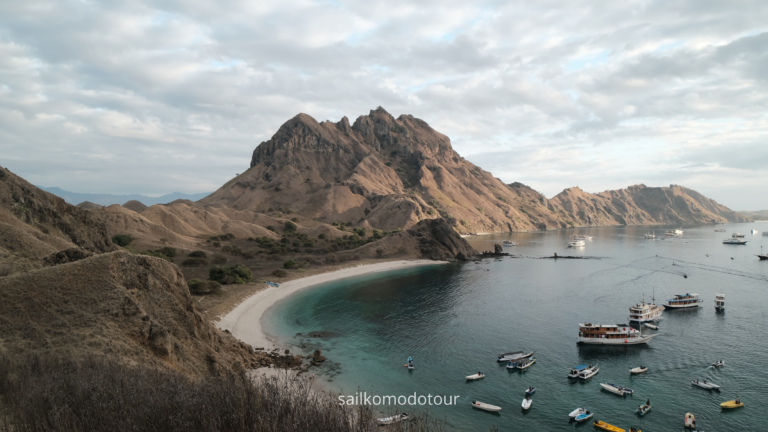
Introduction to Komodo National Park
Komodo National Park, situated in the Indonesian archipelago, consists of three main islands—Komodo, Rinca, and Padar—as well as several smaller islands. Established in 1980, the park covers an area of over 1,800 square kilometers and is renowned for its stunning landscapes and rich biodiversity. The park’s unique geological formations include rugged hills, savanna, mangroves, and coral reefs. This diverse range of habitats contributes to the area’s ecological richness, making it a significant site for scientific research and nature enthusiasts alike.
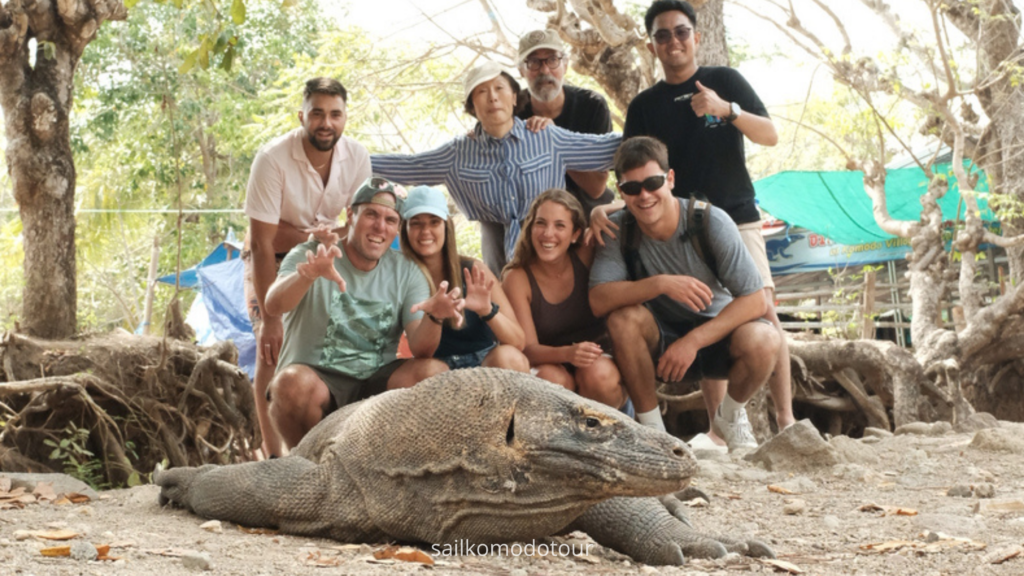
One of the primary attractions of Komodo National Park is its status as the home of the iconic Komodo dragon (Varanus komodoensis). These remarkable creatures, recognized as the largest lizard species in the world, can grow up to three meters in length and are integral to the park’s ecosystem. The conservation efforts within the park aim not only to protect the Komodo dragon but also to safeguard the numerous other species that inhabit the area. Among them, visitors may encounter species such as the Timor deer, wild boars, and a variety of birds unique to the region.
The designation of Komodo National Park as a UNESCO World Heritage Site underscores its global significance. This recognition highlights the importance of preserving its natural environments and the myriad species that dwell there. Moreover, the park faces ongoing challenges, including climate change and human activities, which threaten its delicate ecosystems. Therefore, visitors not only experience the natural beauty of Komodo National Park, but they also play a role in supporting conservation initiatives aimed at maintaining this extraordinary environment for future generations.
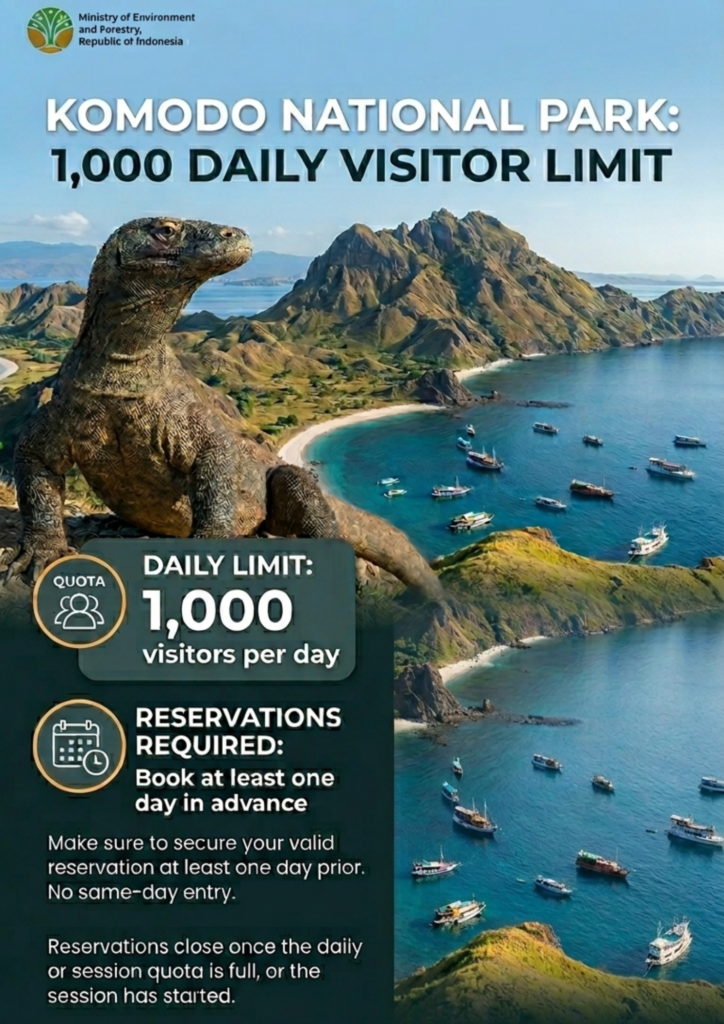
The Indonesian government has introduced a policy that limits the number of visitors entering Komodo National Park to 1,000 people per day. The announcement has quickly become a major topic among travelers, tour operators, conservationists, and local tourism businesses in Labuan Bajo.
The decision comes amid growing concerns about overtourism, environmental degradation, habitat preservation, and the long-term sustainability of tourism activities in the park. While many conservation experts support the policy as a necessary step to protect the fragile ecosystem, some tourism businesses and local operators worry about the economic impact on the region.
For travelers planning a Komodo tour, this new regulation changes the way trips must be organized. Early bookings, proper planning, and choosing reliable tour operators are now more important than ever.
In this article, we will explain everything travelers need to know about the 1,000 daily visitor limit in Komodo National Park, why the policy was introduced, how it affects tourism, reactions from local tourism stakeholders, and how travelers can still enjoy an unforgettable Komodo adventure responsibly.
Why the 1,000 Visitor Daily Limit Was Introduced?
The Indonesian government introduced the 1,000 visitor daily limit as part of a broader effort to protect Komodo National Park from the negative effects of overtourism.
Environmental Concerns
One of the primary reasons behind the policy is environmental conservation. Tourism activities, when uncontrolled, can damage fragile ecosystems both on land and underwater.
Several environmental concerns have been raised over the years, including:
- Damage to coral reefs caused by boat anchors
- Increased waste and plastic pollution
- Disturbance to Komodo dragon habitats
- Soil erosion on trekking routes
- Pressure on freshwater resources
- Marine pollution from tourism boats
Conservation experts have repeatedly warned that excessive visitor numbers could threaten the survival of wildlife and reduce the ecological quality of the national park.
The Komodo dragon itself is classified as an endangered species by the International Union for Conservation of Nature (IUCN). Climate change and habitat disruption are considered major risks to the species’ future.
By limiting daily visitor numbers, authorities hope to reduce environmental pressure and ensure that tourism remains sustainable for future generations.
Government Statements and Official Sources
Several Indonesian government officials have publicly discussed the need for stricter tourism management in Komodo National Park.
According to reports from trusted Indonesian media outlets such as Kompas, Tempo, Antara News, CNN Indonesia, and The Jakarta Post, the government has emphasized that tourism sustainability must become the priority.
Officials from the Ministry of Environment and Forestry and the Ministry of Tourism have stated that visitor management systems are necessary to balance conservation and tourism growth.
Media reports have highlighted several important goals behind the policy:
- Preserving the Komodo dragon habitat
- Preventing overcrowding
- Improving visitor experience quality
- Supporting sustainable tourism
- Protecting marine biodiversity
- Managing tourism carrying capacity
According to Antara News and Kompas coverage, authorities also plan to strengthen digital monitoring systems, visitor reservations, and tourism regulations inside the park.
Some reports mention that the government wants to create a more controlled tourism model similar to other protected natural destinations around the world where visitor quotas are used to preserve ecosystems.
The Jakarta Post also reported that authorities are considering stricter supervision for tourism operators, including environmental standards for boats and visitor activities.
How the Daily Visitor Quota Works?
The new system limits the number of tourists entering Komodo National Park to 1,000 people per day.
This quota may include:
- Domestic tourists
- International tourists
- Open trip participants
- Private tour participants
- Cruise ship visitors
Travelers are expected to reserve entry access in advance, especially during high season.
Tour operators in Labuan Bajo are likely to play an important role in helping tourists secure permits and organize schedules.
Because of the quota system, last-minute bookings may become more difficult, especially during:
- Holiday seasons
- School vacations
- Peak tourism months
- Long weekends
Travelers are advised to:
- Book tours early
- Use trusted tour operators
- Confirm permits in advance
- Avoid peak dates if possible
- Follow park regulations responsibly
Impact on Travelers Visiting Komodo National Park
The introduction of visitor limits changes the overall travel experience for tourists.
Positive Impacts
1. Less Crowding
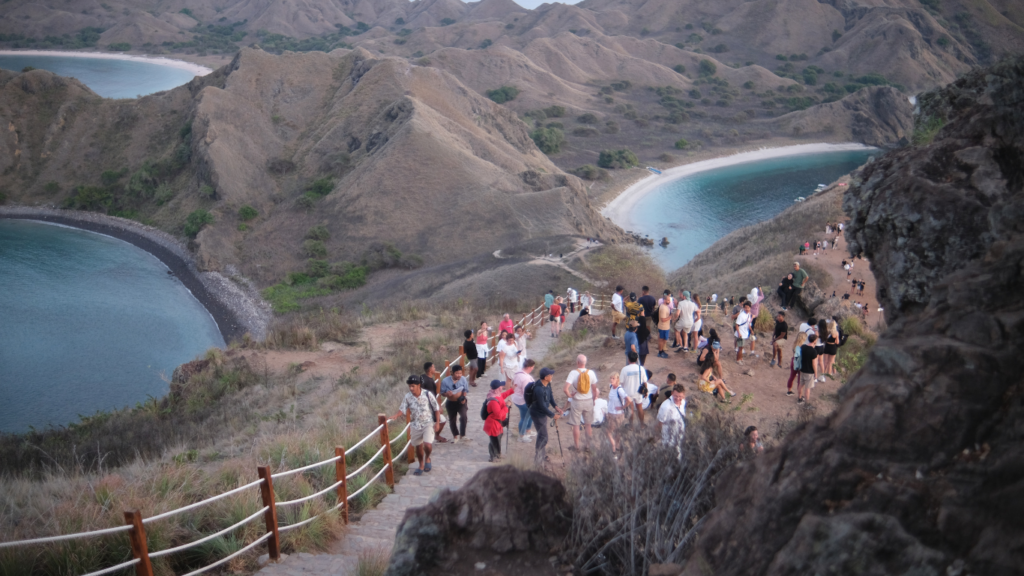
One of the biggest advantages is a less crowded experience.
Previously, some popular spots such as Padar Island, Pink Beach, and Komodo Island could become overcrowded during peak tourism periods.
With fewer visitors allowed per day, travelers may enjoy:
- More peaceful trekking
- Better photography opportunities
- Cleaner beaches
- Improved wildlife encounters
- A more exclusive experience
2. Better Environmental Protection
Reducing visitor numbers can help preserve the park’s natural beauty.
Healthier coral reefs, cleaner waters, and protected wildlife habitats will benefit both nature and tourism in the long term.
3. Improved Safety and Management
Smaller visitor numbers allow authorities and guides to monitor tourist activities more effectively.
This may improve:
- Visitor safety
- Wildlife protection
- Emergency response systems
- Waste management
- Tour organization
Challenges for Travelers
1. Higher Demand and Limited Availability
Because visitor slots are limited, tours may become fully booked faster.
Travelers who plan trips at the last minute may struggle to secure permits.
2. Possible Increase in Tour Prices
Limited availability may increase operational costs for tourism businesses.
Some operators may adjust prices due to:
- Permit management
- Limited visitor allocation
- Operational restrictions
- Higher demand during peak seasons
3. Stricter Regulations
Travelers may need to follow additional regulations, including:
- Fixed schedules
- Restricted access areas
- Environmental guidelines
- Visitor tracking systems
What Travelers Should Do Before Visiting Komodo National Park
If you plan to visit Komodo National Park under the new quota system, preparation is essential.
1. Book Early
Advance booking is highly recommended.
Popular travel periods can sell out quickly, especially for:
- Open trips
- Liveaboard tours
- One-day tours
- Luxury cruises
Booking early helps secure permits and preferred schedules.
2. Choose a Trusted Tour Operator
Selecting a reliable operator is more important than ever.
A professional Komodo tour operator can help with:
- Permit arrangements
- Travel schedules
- Safety standards
- Environmental guidelines
- Transportation logistics
Trusted operators also ensure that travelers follow conservation rules responsibly.
Many travelers choose experienced operators in Labuan Bajo such as Sail Komodo Tour for organized and comfortable Komodo tour experiences.
Tour options may include:
- One Day Komodo Tour
- 2 Days 1 Night Open Trip
- 3 Days 2 Nights Open Trip
- 4 Days 3 Nights Lombok to Labuan Bajo Trip or Labuan Bajo to Lombok
- Private Komodo Tour Packages
3. Travel Responsibly
Responsible tourism is essential in protected natural areas.
Travelers should:
- Avoid littering
- Respect wildlife
- Follow guide instructions
- Avoid touching coral reefs
- Reduce plastic waste
- Support local businesses
- Use eco-friendly products
Simple actions can help preserve Komodo National Park for future generations.

Future Outlook for Komodo Tourism
The future of Komodo tourism will likely focus more on quality rather than quantity.
Many destinations worldwide are moving away from mass tourism models.
Instead, they prioritize:
- Sustainable tourism
- Environmental preservation
- Premium travel experiences
- Community-based tourism
- Responsible visitor behavior
Komodo National Park may gradually become a more regulated destination with stricter environmental standards.
Although some businesses may face short-term challenges, sustainable management could strengthen the destination’s reputation in the long run.
Travelers who value authentic nature experiences may appreciate a less crowded and better-preserved Komodo National Park.