
Can People Who Get Seasick Join a Komodo Trip?
One of the most common questions we receive from travelers planning a Komodo trip is:
“I get seasick easily. Can I still join a Komodo trip?”
The short answer is: Yes, absolutely.
Thousands of travelers who are prone to motion sickness successfully complete a Komodo trip every year. The key is understanding when the sea can become rough, preparing properly, and choosing the right itinerary for your comfort level. Whether you’re joining a 4 Days 3 Nights Komodo trip from Lombok, a 3 Days 2 Nights sailing trip from Labuan Bajo, or a simple One Day Komodo Tour, this guide will explain everything you should know before stepping aboard.
First, What Causes Seasickness?
Seasickness occurs when your brain receives conflicting signals from your eyes, inner ears, and body while you’re moving on the ocean.
Common symptoms include:
- Dizziness
- Nausea
- Cold sweating
- Fatigue
- Vomiting
- Headache
- Loss of appetite
Fortunately, most cases are mild and can be prevented with proper preparation.
Is the Sea Always Rough During a Komodo Trip?
No. This is one of the biggest misconceptions. In reality, most parts of Komodo National Park have relatively calm waters, especially around:
- Pink Beach
- Komodo Island
- Rinca Island
- Taka Makassar
- Kanawa Island
- Kelor Island
- Sebayur Island
However, there are certain areas where waves naturally become stronger. Understanding these locations helps travelers prepare mentally and physically.
If You’re Joining a Komodo Trip from Lombok
The most popular overland sailing route is the 4 Days 3 Nights Komodo Trip from Lombok to Labuan Bajo. This adventure crosses several different bodies of water. During most of the journey, conditions are generally comfortable. However, there is one section that is famous among experienced sailors.
The Sape Strait
The Sape Strait lies between:
- Sumbawa Island
- Flores Island (East Nusa Tenggara)
This strait serves as the main gateway before entering Komodo National Park. Because of its geographical location, ocean currents from different directions meet here.
As a result:
- Waves become higher.
- Ocean swells become more noticeable.
- Boat movement becomes stronger than during the rest of the journey.
This is completely normal and is well known by local captains who sail this route regularly.
When Does the Sea Usually Become Rough?
For travelers joining the Komodo trip from Lombok, the roughest conditions are usually experienced during the second night of the journey.
Typically:
- Around 5:00 PM, you may begin to notice stronger waves as the boat approaches the Sape Strait.
- During the evening and overnight crossing, the boat may rock more noticeably.
- By the following morning, after entering the waters of Komodo National Park, conditions generally become calmer again.
It’s important to understand that sea conditions are influenced by:
- Wind
- Tides
- Weather
- Seasonal changes
Therefore, wave conditions can vary from trip to trip. Professional captains continuously monitor the weather and may adjust sailing schedules when necessary to prioritize passenger safety.
Is It Dangerous?
Generally, no. The larger waves in the Sape Strait are considered a normal part of this sailing route. Tour boats operating between Lombok and Labuan Bajo are experienced in navigating these waters.
Captains monitor weather forecasts and sea conditions before departure and throughout the voyage. Passenger safety is always the highest priority. While the boat may rock more than usual, this does not automatically mean the journey is unsafe.
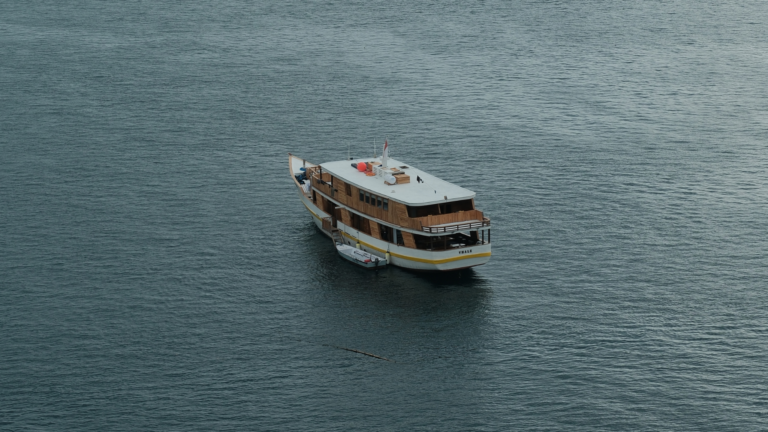
What About Komodo Trips Starting from Labuan Bajo?
If you are concerned about seasickness, this option is often more comfortable.
Popular itineraries include:
Because these trips operate entirely within or around Komodo National Park, they generally avoid the longer open-sea crossing from Lombok. Most of the sailing takes place in more sheltered waters.
Where Can You Feel Bigger Waves Around Labuan Bajo?
Although conditions are usually calmer, there is one area where passengers may notice stronger boat movement.
Around Padar Island
The waters surrounding Padar Island can occasionally become choppier due to:
- Open sea exposure
- Ocean currents
- Wind direction
Fortunately, this section is relatively short. Most travelers experience only moderate movement before continuing toward calmer destinations like:
For many passengers, this part of the trip passes quickly.
Should You Avoid a Komodo Trip If You Get Seasick?
Not at all. Many guests who initially worry about seasickness later tell us they were glad they didn’t cancel their trip.
The spectacular scenery, incredible wildlife, and unforgettable sailing experience far outweigh a few hours of ocean movement. With proper preparation, most travelers complete their journey comfortably.
How to Prevent Seasickness During a Komodo Trip
Preparation makes a big difference.
Here are some practical tips that can help.
1. Take Motion Sickness Medicine Before Departure
Don’t wait until you already feel sick. Most medications work best when taken 30–60 minutes before sailing. This allows your body enough time to absorb the medicine before encountering waves.
2. Recommended Medicines Available in Indonesia
Several over the counter medicines are commonly used by travelers. Popular options include:
Antimo
Perhaps Indonesia’s most well-known motion sickness medicine. Suitable for many travelers and widely available at pharmacies and convenience stores.
Dramamine
A popular international choice for preventing motion sickness.
Bonamine (Meclizine)
Often preferred because it may cause less drowsiness than some alternatives. If you have certain medical conditions, are pregnant, or take prescription medication, consult a healthcare professional before using any motion sickness medicine.
3. Choose the Right Seat
When possible, stay near the center of the boat. This area usually experiences less movement than the front or rear sections.
4. Stay Hydrated
Drink enough water throughout your Komodo trip. Dehydration can make motion sickness feel worse.
5. Avoid Heavy Meals Before Sailing
Instead of eating greasy or spicy food, choose lighter meals before departure. A completely empty stomach is also not recommended.
6. Look at the Horizon
Focusing on the distant horizon helps your brain better process movement and often reduces nausea.
7. Get Fresh Air
If you begin feeling uncomfortable, spending time on the outdoor deck often helps. Fresh air can significantly reduce symptoms.
8. Get Enough Rest
Being tired can increase your chances of experiencing seasickness. Try to sleep well before your trip begins.
Do Boats Carry First Aid Kits?
Yes. Most licensed tour boats operating Komodo trips carry:
- Basic first aid equipment
- Emergency medical supplies
- Standard safety equipment
However, personal medications vary from traveler to traveler. For this reason, we always recommend bringing your own:
- Motion sickness medicine
- Prescription medication
- Personal vitamins
- Any allergy medication you regularly use
Having your own supplies ensures you’re prepared throughout the journey.
Can Children Join a Komodo Trip?
Yes. Many families travel with children every year.
If your child is prone to motion sickness, speak with a pediatrician before the trip regarding suitable medication and dosage. Parents should also encourage children to stay hydrated and spend time in fresh air if they begin to feel uncomfortable.
Choosing the Right Komodo Trip If You’re Worried About Seasickness
Your choice of itinerary can make a difference.
One Day Komodo Tour
Ideal for travelers who prefer shorter sailing times.
2 Days 1 Night Komodo Trip
A balanced option with moderate sailing and more time to explore.
3 Days 2 Nights Komodo Trip
Perfect for travelers wanting a relaxed itinerary while staying mostly within Komodo National Park.
4 Days 3 Nights Komodo Trip from Lombok
Best for adventurous travelers who want the full sailing experience and don’t mind one night of rougher seas while crossing the Sape Strait.
Final Thoughts
Getting seasick doesn’t mean you have to miss one of Indonesia’s most incredible adventures. Whether you’re sailing from Lombok or starting your journey in Labuan Bajo, understanding the route and preparing in advance can make a significant difference.
For Lombok to Komodo trips, expect the roughest sea conditions during the second night while crossing the Sape Strait, usually beginning around 5:00 PM. This section is known for stronger waves due to natural ocean currents, but it is a normal part of the route and is navigated regularly by experienced captains.
For Komodo trips departing from Labuan Bajo, the seas are generally calmer, with the most noticeable boat movement sometimes occurring around Padar Island.
Pack your favorite seasickness medicine whether it’s Antimo, Dramamine, or another option recommended by your doctor bring any personal medications, and get ready for an unforgettable adventure. Every licensed boat is equipped with a basic first aid kit, but carrying your own medicine is always the safest choice.
With a little preparation, even travelers who are prone to motion sickness can fully enjoy the breathtaking beauty of Komodo National Park.
Ready for Your Komodo Trip?
Whether you’re planning a 4 Days 3 Nights Komodo Trip from Lombok, a 3 Days 2 Nights Komodo Tour from Labuan Bajo, or a One Day Komodo Tour, Sail Komodo Tour offers safe, well organized, and unforgettable sailing experiences.
Our experienced crews monitor sea conditions carefully, prioritize passenger safety, and are always ready to assist throughout your journey.