
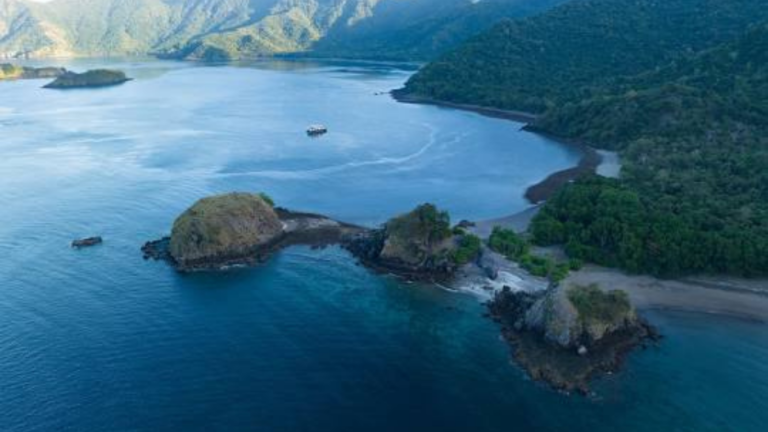
Planning a trip to Komodo National Park can feel overwhelming at first. There are dozens of islands, beaches, snorkeling spots, hiking trails, and sailing routes to choose from, while different Komodo Tour packages offer completely different experiences.
Should you visit Komodo Island or Rinca Island? Is Padar Island really worth the early morning hike? Where can you see manta rays? Is Pink Beach actually pink? And should you choose a One Day Tour, 2D1N, 3D2N, or a longer sailing trip from Lombok?
The good news is that you don’t need to visit every island to experience the best of Komodo National Park. With the right itinerary, even a few days can give you an unforgettable combination of wildlife, hiking, beaches, snorkeling, and life aboard a traditional Phinisi boat. This complete Komodo Tour guide explains the most important destinations, what you can expect at each location, how to choose the right itinerary, the best time to visit, and practical tips to help you plan your journey from Labuan Bajo or Lombok.
What Makes a Komodo Tour Special?
A Komodo Tour is different from a typical island holiday. The main attraction is not just one beach or one landmark. Instead, the experience comes from moving through a spectacular landscape of small islands, turquoise bays, dry hills, coral reefs, and remote beaches.
Komodo National Park is also famous as the natural habitat of the Komodo dragon, the world’s largest living lizard. Seeing these prehistoric-looking reptiles in the wild is one of the biggest reasons travelers come to the region. But the Komodo dragons are only part of the story. The waters surrounding the islands are home to diverse marine life, including manta rays, sea turtles, reef fish, and colorful coral. Above the water, dramatic viewpoints such as Padar Island provide some of the most recognizable landscapes in Indonesia.
This combination makes a Komodo Sailing Tour particularly special. Instead of returning to a hotel every evening, you spend several days traveling between islands on a Phinisi boat.
You wake up surrounded by the sea, explore a new island after breakfast, snorkel during the afternoon, watch the sunset from the deck, and fall asleep under the stars. For many travelers, the journey between destinations becomes just as memorable as the destinations themselves.
Where Is Komodo National Park?
Komodo National Park is located in East Nusa Tenggara, Indonesia, between the islands of Flores and Sumbawa. The most common gateway is Labuan Bajo, a small coastal town on the western tip of Flores. Most Komodo tours departing from Labuan Bajo begin at the harbor, where traditional Phinisi boats and speedboats take travelers into the national park.
The park includes three major islands—Komodo, Rinca, and Padar—along with numerous smaller islands and surrounding marine areas. Because the destinations are spread across a large area, most visitors explore the park by boat.
This is why choosing the right Komodo Sailing Tour is important. Your boat and itinerary determine which islands you can visit, how much time you spend at each destination, and whether you experience the park at a relaxed pace or rush between highlights.
Rinca Island: A Great Place to See Komodo Dragons
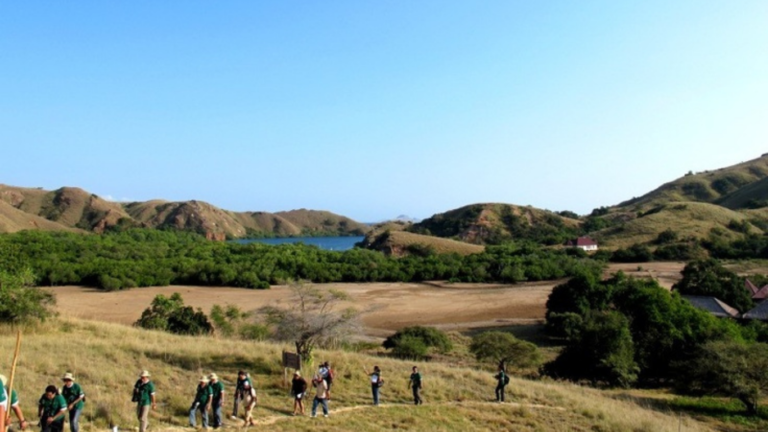
One of the most important destinations on a Komodo Island Tour is Rinca Island. Rinca is one of the primary habitats of the Komodo dragon and is famous for its relatively accessible trekking routes. The island’s landscape is dominated by dry savannah, forest, hills, and coastal areas, creating a natural environment where Komodo dragons can roam freely. Unlike a traditional wildlife park, there are no cages separating visitors from the animals. That is exactly why visitors must always stay with a trained park ranger.
During a Rinca Island trek, you may encounter Komodo dragons resting beneath trees, walking across the savannah, or moving through the forest. You may also see deer, wild boar, water buffalo, monkeys, and a variety of bird species.
However, wildlife encounters are never guaranteed.
Komodo dragons are wild animals, and their movements depend on weather, food availability, temperature, and other natural conditions. A responsible tour should never promise that you will see a dragon at a particular location. The best approach is to treat the trek as a wildlife experience rather than a photo opportunity. Listen carefully to your ranger, maintain a safe distance, and never attempt to approach or feed the animals.
Rinca Island or Komodo Island?
Travelers often ask which island is better for seeing Komodo dragons. The answer isn’t as simple as choosing one over the other.
Both Rinca Island and Komodo Island are important Komodo dragon habitats. The experience can vary depending on the season, animal activity, itinerary, and current conditions. Rinca is often popular because its trekking routes are accessible and its landscape provides excellent opportunities for wildlife observation.
Komodo Island, meanwhile, is the island that gave the national park and the species their names and remains one of the most iconic destinations in the region. If your itinerary allows, visiting either island can be an excellent addition to your Komodo Tour.
Padar Island: The Viewpoint You Shouldn't Miss
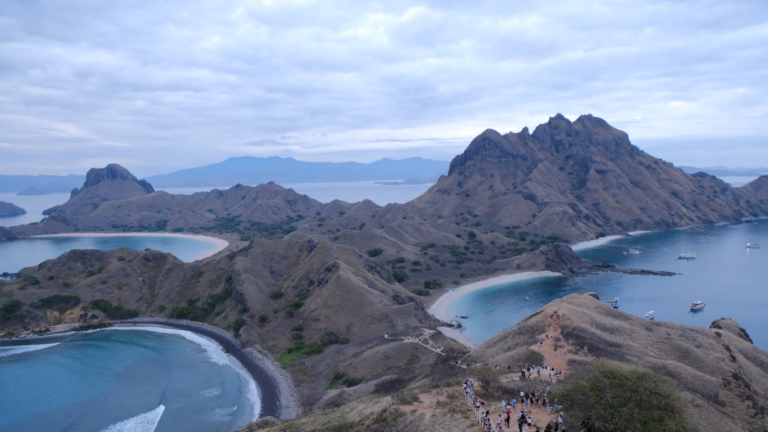
If there is one destination that has become synonymous with Komodo National Park, it is Padar Island.
The famous viewpoint shows three curved bays surrounded by dramatic hills, with beaches of different colors stretching along the coastline. It is one of those places that looks almost unreal in photographs. But the view is not available directly from the boat.
You need to hike. The trail to the viewpoint includes a series of stairs and a steep climb. It isn’t necessarily an extreme hike, but the tropical heat can make it feel challenging, especially later in the morning. This is why most Komodo Sailing Tours visit Padar Island around sunrise.
Starting early means cooler temperatures, softer light, and a much more comfortable hike. It also gives you the chance to watch the landscape slowly brighten as the sun rises above the surrounding islands. Bring water, wear comfortable shoes, and don’t rush. The viewpoint is the main attraction, but the hike itself offers beautiful scenery along the way.
Pink Beach: Is the Sand Really Pink?
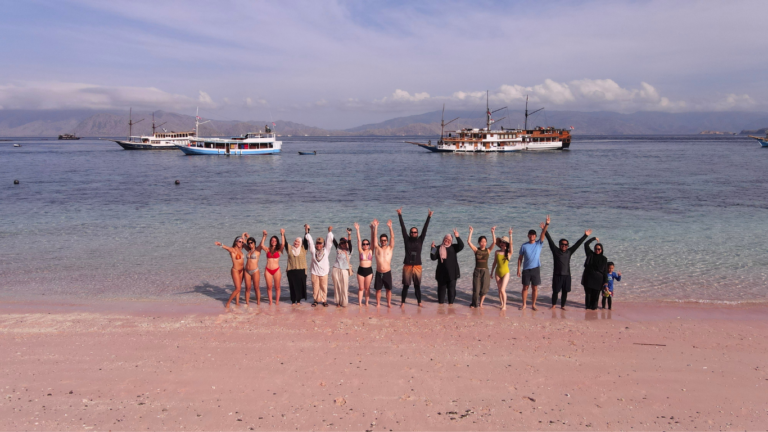

Yes—but the color can vary. Pink Beach is one of the most popular stops on a Komodo Tour, known for its unusual pinkish shoreline and clear blue water. The color comes from a combination of white sand and tiny fragments of red coral and marine organisms. When these materials mix together, they can create the pink hue that gives the beach its name. The intensity of the color depends on lighting, weather, tides, and the amount of coral material on the beach.
So don’t expect the sand to look exactly like every heavily edited photograph you have seen online. In real life, the color may range from a subtle blush to a more noticeable pink. What makes Pink Beach especially enjoyable is that the experience doesn’t stop at the shoreline.
The surrounding waters can be excellent for snorkeling, with coral reefs and tropical fish living beneath the surface. Take your time here. Swim, snorkel, walk along the beach, and enjoy the scenery rather than rushing back to the boat for the next destination.
Manta Point: Swimming With Manta Rays
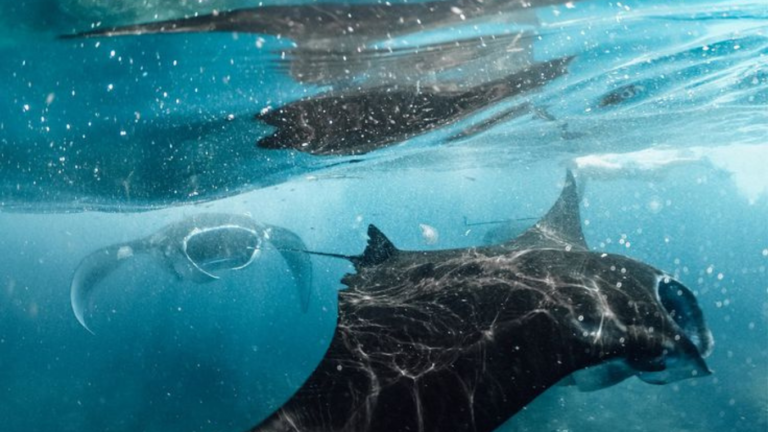
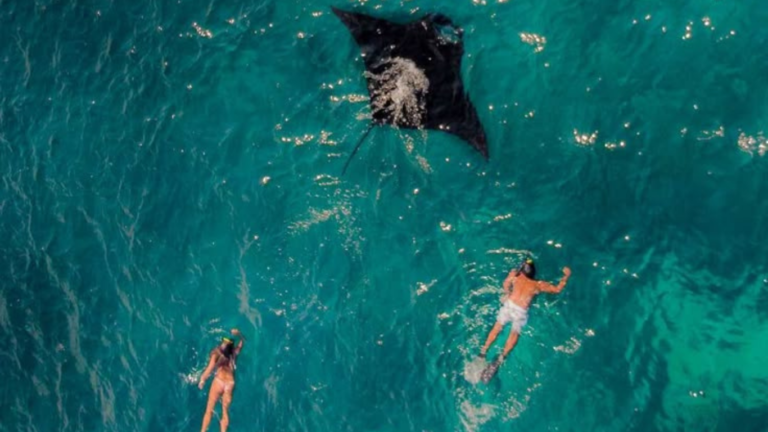
For many travelers, Manta Point is the highlight of their Komodo Sailing Tour. The waters around Komodo are an important habitat for manta rays, and encounters with these enormous marine animals can be unforgettable.
Manta rays are completely different from the image of a dangerous “ray” that some visitors may have in their minds. They are graceful filter feeders that move through the water by slowly flapping their enormous pectoral fins. When conditions are right, you may have the opportunity to snorkel while manta rays glide beneath or around you. But there is an important rule to remember:
Manta ray sightings are never guaranteed. These are wild animals, and their presence depends on tides, currents, food, weather, and natural behavior. A good tour operator should explain this before the trip rather than promising every guest a guaranteed encounter. If you do encounter manta rays, don’t chase them. Stay calm, maintain a respectful distance, and allow the animals to decide how close they want to come. Sometimes the best encounter happens when you simply float quietly and let the manta rays pass by naturally.
Taka Makassar: A Tiny Sandbar in the Middle of the Sea
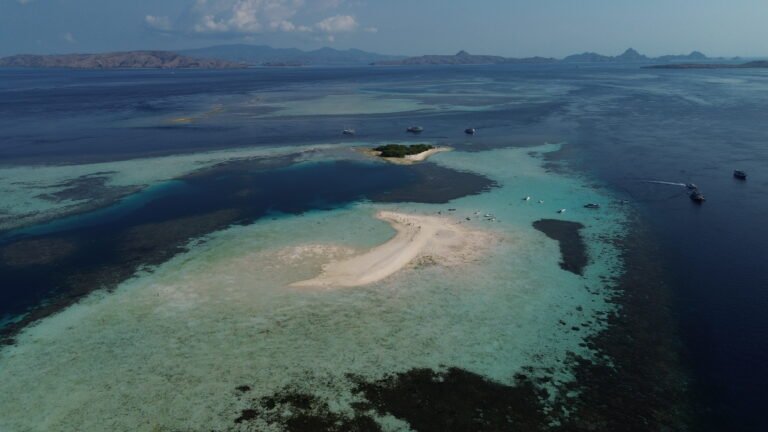
Taka Makassar is one of the most unusual destinations included in many Komodo Tour packages. Despite its name, it isn’t actually located near Makassar. Taka Makassar is a tiny sandbar surrounded by turquoise water. Depending on tides and sea conditions, the shape and size of the sandbar can change. From above, it looks like a small patch of white sand floating in the middle of an enormous blue ocean.
It is a perfect place for swimming, taking photographs, and relaxing in the water. Because it is exposed to the elements, the experience can depend heavily on tides and weather. Sometimes the sandbar is clearly visible, while at other times parts of it may be covered by seawater. That changing landscape is part of what makes Taka Makassar interesting.
Kelor Island: A Beautiful Stop Near Labuan Bajo
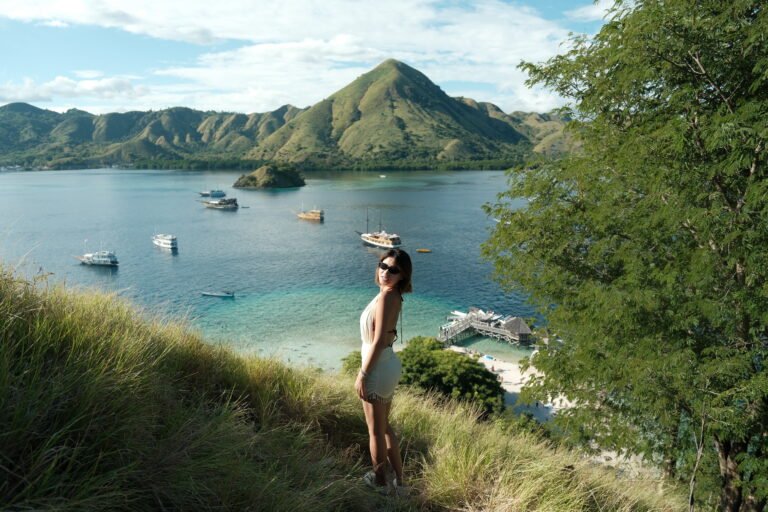
If you’re looking for a destination that combines a short hike, beautiful scenery, and clear water, Kelor Island is a popular choice. The island is relatively small, but the hill above the beach offers a beautiful panoramic view.
The climb is short but can be steep in certain sections, so comfortable footwear is recommended. Once you reach the top, you’ll be rewarded with views of the surrounding islands and turquoise water.
Kelor Island is often included in shorter Komodo Trip itineraries, making it a convenient destination for travelers who only have one or two days. The beach itself is also suitable for relaxing and swimming when conditions are favorable.
Kalong Island: A Different Kind of Sunset Experience
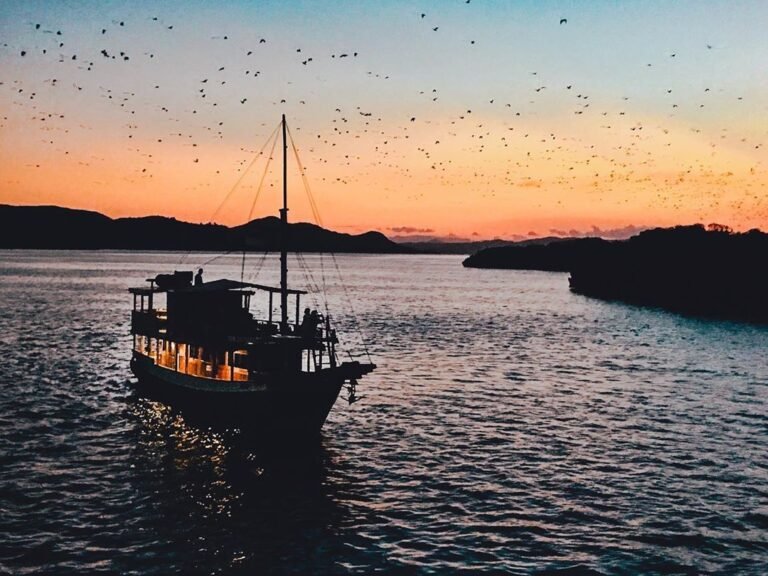
Not every Komodo experience is about hiking or snorkeling. At Kalong Island, the attraction happens in the sky. Around sunset, thousands of flying foxes can sometimes be seen leaving their mangrove roosts and flying across the sky in search of food. Watching them emerge as the sun disappears over the horizon creates a memorable natural spectacle.
The experience is particularly beautiful from the deck of a Phinisi boat. You don’t necessarily need to leave the boat. Instead, sit back, watch the sunset, and look toward the mangroves as the bats begin their evening flight. It is a reminder that Komodo National Park isn’t only about the famous Komodo dragons. The park supports a complex ecosystem above and below the water.
Manta Rays, Coral Reefs, and the Underwater World
Many people book a Komodo Tour because of the Komodo dragons but return home talking just as much about snorkeling. The marine environment around the national park is extraordinary. Warm tropical waters, coral reefs, strong currents, and nutrient-rich waters create ideal conditions for a wide range of marine life.
Depending on your itinerary and conditions, snorkeling locations may include Manta Point, Taka Makassar, Siaba, Sebayur, and other reef areas. You may encounter schools of colorful fish, sea turtles, reef sharks, coral gardens, and manta rays.
Visibility can change from one location to another and from one day to the next. Again, nature doesn’t follow an itinerary. This is why it’s better to approach snorkeling with curiosity rather than expectations.
How Many Days Do You Need for a Komodo Tour?
There isn’t one correct answer. The right duration depends on how much time you have and how deeply you want to explore the national park.
A One Day Komodo Tour from Labuan Bajo is ideal for travelers with limited time. You can visit several major attractions in one day, although the schedule is usually quite busy.
This option works well for travelers who are staying in Labuan Bajo and don’t want to sleep on a boat.
A 2D1N Komodo Trip offers a better balance between sightseeing and relaxation. You have more time to enjoy the islands and experience sleeping aboard a Phinisi boat.
For first-time visitors who want a more complete experience, a 3D2N Komodo Sailing Tour is often one of the most popular options. The extra time allows you to visit more destinations without making every day feel like a race.
For travelers who want a longer sailing adventure, a 4D3N Komodo Trip from Lombok provides a different experience. The route takes you through the waters between Lombok, Sumbawa, and Flores before reaching Komodo National Park. Depending on the itinerary, destinations can include Kenawa Island, Saleh Bay, and other locations before arriving in the Komodo region. This option is particularly attractive to travelers who enjoy the journey itself rather than simply wanting to reach the destination.
Komodo Tour From Labuan Bajo vs. Lombok
Choosing where to start your trip is one of the biggest decisions you’ll make. A Komodo Tour from Labuan Bajo is generally the most convenient option if your main goal is exploring Komodo National Park.
Labuan Bajo is the closest major tourism hub to the national park, and many itineraries can reach the main attractions within a relatively short sailing time. If you’re prone to seasickness, this route can also be more comfortable because much of the journey takes place around the islands.
The Komodo Trip from Lombok, on the other hand, is more of an extended sailing adventure. It takes longer but gives you the opportunity to see more of the region. There is also a different character to the journey. Instead of flying directly to Labuan Bajo and beginning your national park experience, you’re traveling gradually across the islands of Nusa Tenggara. For travelers who have enough time and enjoy being at sea, this can be a fantastic adventure.
What Is the Best Time for a Komodo Tour?
The best time to visit depends on what you want to do. The dry season is generally popular for sailing, hiking, and outdoor activities. The weather is often sunnier, while the landscapes become noticeably drier and more dramatic. During wetter periods, the islands can become greener and the scenery changes significantly.
Marine conditions also vary throughout the year. If seeing manta rays is a major priority, speak with your tour operator about seasonal conditions before booking. Wildlife encounters depend on natural factors and cannot be guaranteed. The important thing is to choose a period that matches your priorities rather than looking for a single “perfect” month.
What Should You Pack for a Komodo Trip?
Packing light is one of the best things you can do. A Phinisi boat has limited storage space, so bringing a huge suitcase can make your cabin uncomfortable.
Consider packing:
- Lightweight clothing
- Swimwear
- Comfortable hiking shoes
- Sandals
- Sunscreen
- Sunglasses
- Hat or cap
- Reusable water bottle
- Waterproof or dry bag
- Personal medication
- Seasickness medicine if needed
- Camera or action camera
- Power bank
Don’t forget that the tropical sun can be intense. Sunscreen and hydration are not optional luxuries—they are essentials. If you’re joining a longer Komodo Sailing Tour, bring enough personal medication for the entire journey.
Why a Phinisi Boat Makes the Komodo Experience Different
The traditional Indonesian Phinisi boat has become an iconic part of travel in eastern Indonesia. These wooden sailing vessels combine traditional craftsmanship with modern tourism facilities.
Depending on the boat, cabins can range from simple shared rooms to comfortable private cabins with ensuite bathrooms and air conditioning. The best part isn’t necessarily the cabin. It’s the deck.
There is something unforgettable about sitting on the upper deck as the boat moves slowly between islands, with nothing but ocean surrounding you. At sunset, the landscape becomes golden. At night, city lights disappear and the sky becomes incredibly dark. For travelers who choose a 2D1N or 3D2N Komodo Sailing Tour, these quiet moments can become some of the strongest memories of the trip.
Final Thoughts: Planning the Perfect Komodo Tour
A trip to Komodo National Park is about much more than seeing a Komodo dragon. It is about waking up among remote islands, hiking to the top of Padar Island, walking along the unusual sands of Pink Beach, swimming in clear tropical water, looking for manta rays at Manta Point, and watching the sunset from the deck of a traditional Phinisi boat.
The best Komodo Tour is not necessarily the one with the longest list of destinations. It is the one that fits your time, budget, comfort level, and travel style. If you’re short on time, a One Day Tour from Labuan Bajo can give you a taste of the national park. If you want to slow down and experience life on the water, a 2D1N or 3D2N Komodo Sailing Tour is a better choice. And if you want the journey itself to become part of the adventure, consider a longer 4D3N route from Lombok. Whatever itinerary you choose, come prepared to be flexible. The weather may change. The sea may be rougher than expected. A manta ray may appear—or it may not. A Komodo dragon may be waiting near the trail—or hiding somewhere in the forest.
That’s the nature of exploring a real national park. And perhaps that is what makes Komodo so special. You aren’t visiting a place designed for tourists. You’re entering a living ecosystem where the wildlife, weather, sea, and landscape still determine what happens next.
Ready to Explore Komodo National Park?
Planning your first Komodo Tour can be easier when you have a local team to help you choose the right itinerary.
Sail Komodo Tour offers a range of Komodo sailing experiences from Labuan Bajo and Lombok, including One Day Tours, 2D1N, 3D2N, 4D3N sailing trips, and private charter options.
Whether your priority is seeing Komodo dragons, hiking Padar Island, visiting Pink Beach, snorkeling with manta rays, or simply enjoying several days aboard a Phinisi boat, we can help you find an itinerary that matches your travel plans. Start planning your Komodo Trip with Sail Komodo Tour and discover the wild beauty of Komodo National Park.